
Varicose Veins
What are Varicose Veins?
Varicose veins are enlarged, visible veins that often appear in the legs and may look twisted, raised, or blue beneath the skin. They can happen when blood does not move through the veins as well as it should, which may lead to swelling, discomfort, heaviness, itching, burning, or other leg symptoms.
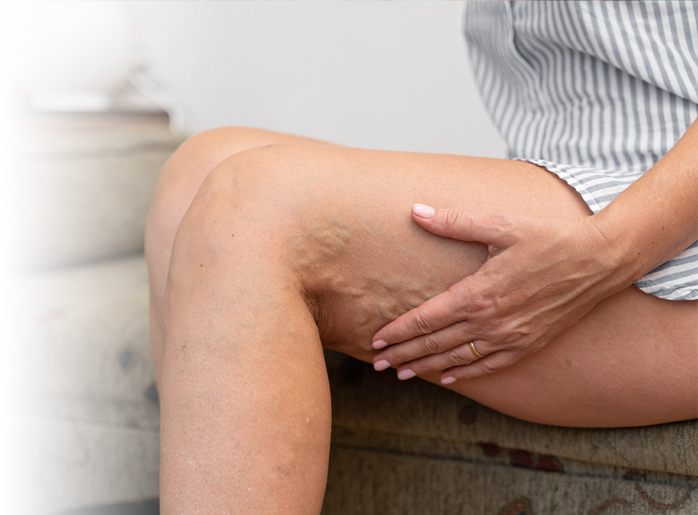
Varicose Veins Overview
Varicose veins, also known as venous insufficiency, is a condition that prevents blood from flowing out of your legs and back to your heart. Veins contain valves that help blood flow in one direction. Venous insufficiency means the valves do not close correctly or fully. Blood flows back and pools in your leg. This can cause problems such as varicose veins. Venous insufficiency may also be called chronic venous insufficiency or venous stasis.
Over time, the extra pressure from pooled blood can stretch and enlarge the veins, making them more visible beneath the skin. Varicose veins may be more than a cosmetic concern, especially if they happen with symptoms such as leg pain, swelling, heaviness, burning, itching, skin color changes, or sores that are slow to heal.
Your risk for varicose veins may be higher if you:
- Have a history of leg injury or blood clots
- Stand for long periods of time
- Are pregnant
- Are older in age
- Have a family history of varicose veins
- Smoke cigarettes
- Have obesity
- Do not get enough exercise
Diagnosing Varicose Veins
Venous duplex imaging is a procedure used to examine the blood flow through veins. A gel will be applied to your legs. Your ultrasound technician will slide a small device called a transducer across the veins. The transducer helps to see and hear blood moving through the vein.
Signs and symptoms may include:
- Visible veins on your legs that may be small and red or large, thick, and blue
- Swelling in your ankles or calves
- Changes in skin color, such as dark or purple skin
- An ulcer (open sore) on your leg
- Leg pain that is worse when you are menstruating (women) or when you stand, and better when you elevate your legs
- Burning or itching
- Cramps that happen at night
- Thick, hard skin on your legs and ankles
- Feeling of heaviness in your legs
Treating Varicose Veins
North Memorial Health Heart & Vascular offers vascular ultrasound screening for patients experiencing symptomatic varicose veins or venous insufficiency. If treatment is recommended, our cardiologists use the latest technology including:
- Radiofrequency ablation (RFA) is a minimally invasive procedure where a small catheter is inserted into the damaged vein. The vein and surrounding tissues are then coated with fluid that contains an anesthetic. Next, heat is emitted through the catheter which irritates the vein walls, causing the vein to close. Blood is then rerouted into nearby healthy veins. There is minimal pain or downtime. You will usually be able to resume normal activities the following day. Risks occur rarely, but can include nerve injury, infection and/or blood clot.
- VenaSeal™ is a minimally invasive procedure that closes veins by delivering a small amount of specially formulated medical adhesive through a catheter that is placed in the damaged vein. The adhesive seals the vein and blood is rerouted through nearby healthy veins. There is minimal downtime, and you will be able to resume normal activity the same day. Risks occur rarely, but can include bleeding, infection, blood clot and/or allergic reaction to the adhesive.
- Varithena™ is a minimally invasive treatment to treat larger varicose veins. During the procedure, a microfoam medication is injected into the veins with a few small needle sticks. Over time, the vessel shrinks and is absorbed by the body. There is minimal downtime, and you will be able to resume normal activity the same day. Risks occur rarely, but can include infection, headache, blood clot and/or allergic reaction.
- Microphlebectomy is the removal of varicose veins. In the outpatient clinic setting, your North Memorial Health cardiologist will make small incisions and then use a specialized instrument to extract the vein. You will go home one hour after the procedure. You can expect some minor bruising and tenderness in areas where the veins were removed, but you can usually return to normal activity after a few days. Risks occur rarely, but can include bleeding, swelling, nerve injury, blood clot, and/or infection.
- Sclerotherapy is a treatment that eliminates or minimizes spider veins and other small veins. During the procedure, the provider uses a micro-thin needle to inject a “sclerosing” liquid into the blood vessel. Over time, the vessel shrinks and is absorbed by the body. Risks occur rarely, but can include discoloration along the treated vessel (usually temporary), allergic reaction, blood clot, scabbing or scarring, small skin ulcers, or formation of new blood vessels around the treated area.
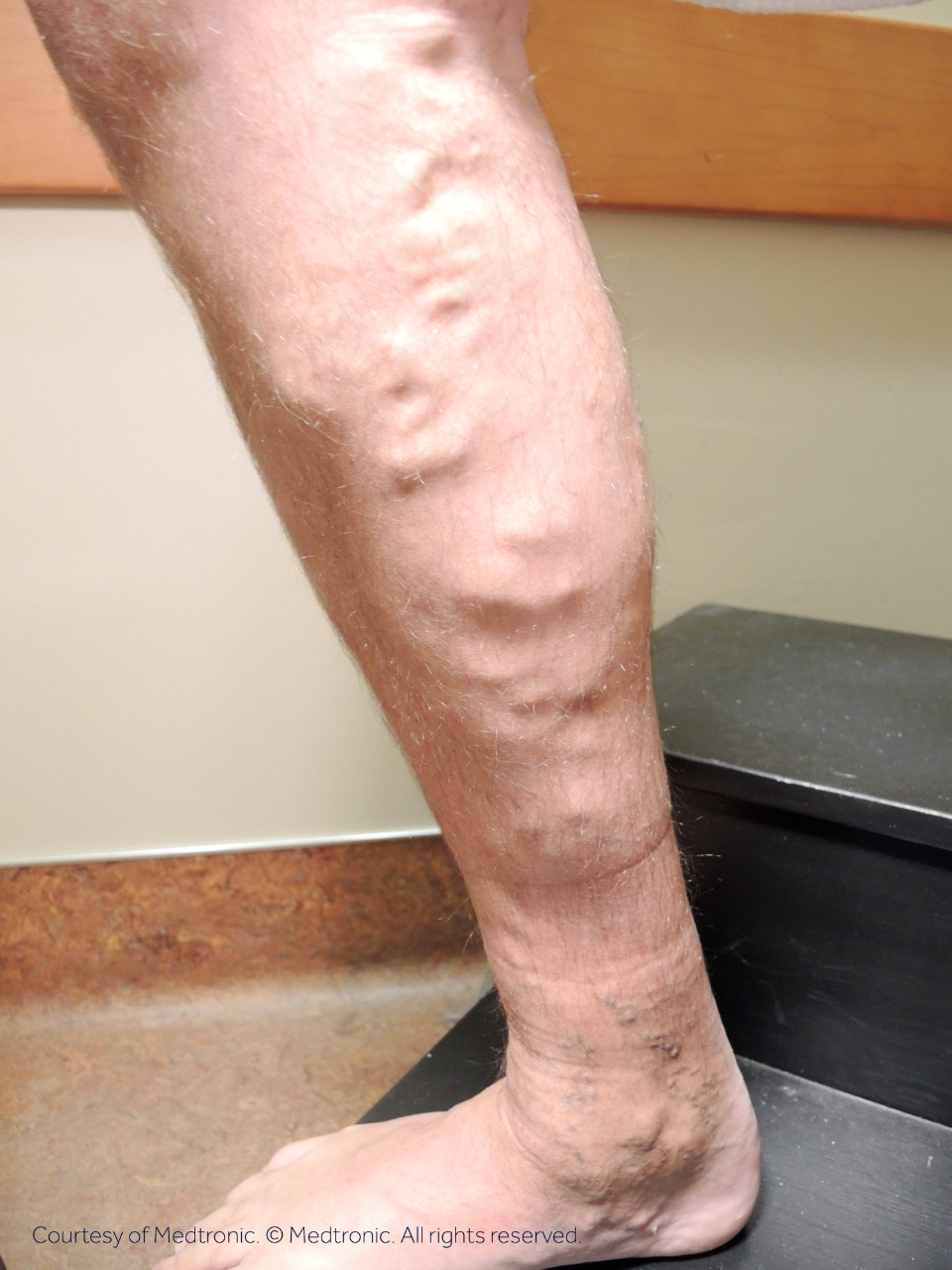
Before
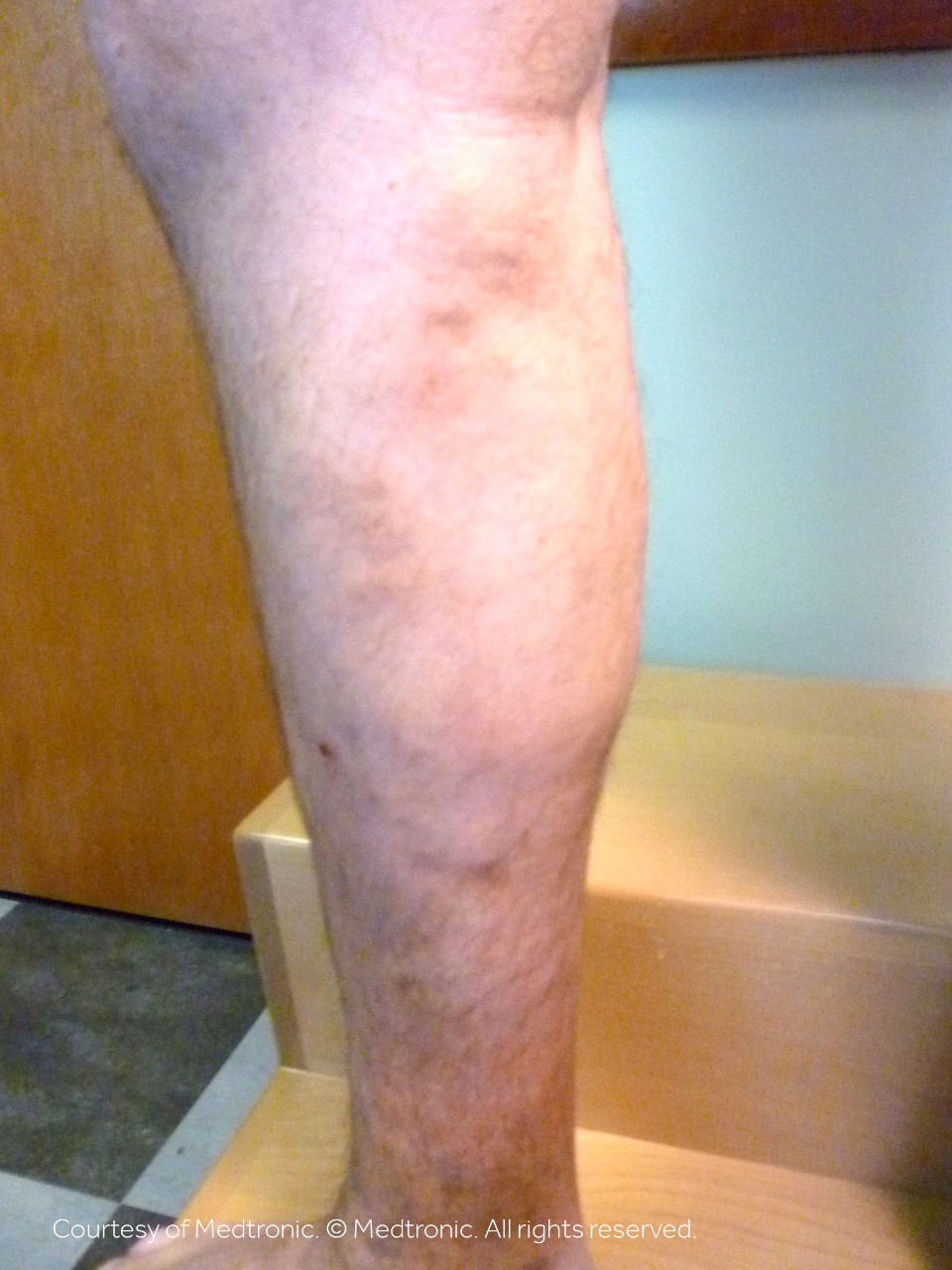
After
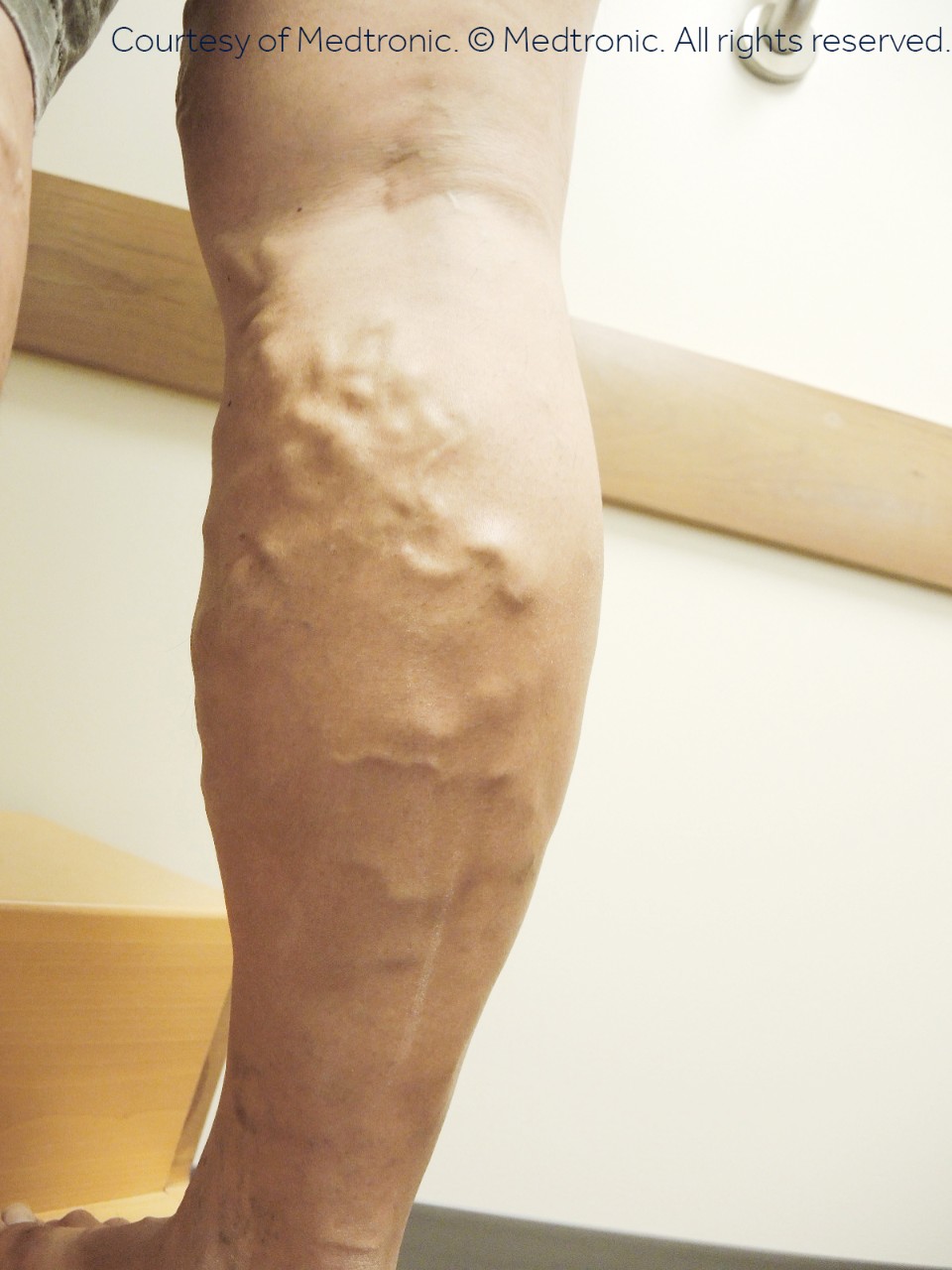
Before
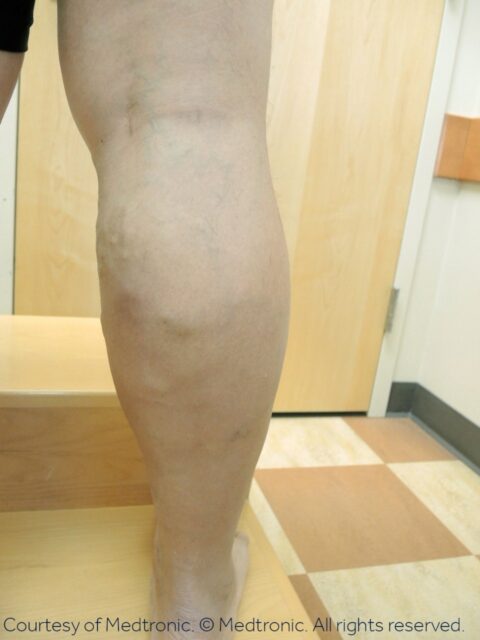
After
Request an Initial Appointment
North Memorial Health Heart & Vascular offers varicose vein appointments in Blaine, Maple Grove, Minnetonka, Monticello, and Robbinsdale.
During your appointment, a specialist evaluates your symptoms, confirms what’s causing them, and discusses treatment options that may relieve discomfort and improve how your legs feel and look.
Call 763-581-5400 to schedule, or request an appointment using the following form. We will contact you within 1-2 business days to schedule.
Care Team
Bridget M. Blake, PA-C
Sara Murray, MD, RPVI

Abdisamad M. Ibrahim, MD, RPVI